Commercial parking lots are significant investments that require regular maintenance to protect their value and ensure safety. A well-maintained parking lot enhances your business's professional appearance, prevents costly repairs, and provides a positive experience for customers and employees. Understanding parking lot wear patterns and implementing preventive maintenance can extend service life by 50% or more while reducing long-term costs. This comprehensive guide covers everything property owners need to know about commercial parking lot maintenance.
The Economics of Parking Lot Maintenance
Commercial parking lots represent substantial investments, typically costing $10-25 per square foot for construction. Proper maintenance can extend service life from 15-20 years to 30-40 years, providing excellent return on investment.
Cost-Benefit Analysis
- Preventive Maintenance ROI: $1 spent on maintenance saves $4-10 in future repairs
- Sealcoating Savings: Prevents 70% of surface deterioration
- Early Repair Benefits: $0.50 crack repair prevents $50 pothole replacement
- Safety Improvements: Reduces liability claims and insurance costs
Maintenance vs. Replacement Decision
- Maintenance Threshold: Repair costs under 40% of replacement value
- Life Cycle Costs: Consider 20-year total ownership costs
- Business Impact: Minimize downtime for commercial operations
- Environmental Factors: Recycling and sustainability considerations
Understanding Parking Lot Wear and Tear
Commercial parking lots face unique challenges that accelerate deterioration compared to residential driveways:
Traffic Loading Factors
- Heavy Traffic Volume: 500-2000 vehicle movements daily
- Large Vehicles: Delivery trucks (15,000-30,000 lbs axle loads)
- Turning Movements: Increased stress at entrance/exit points
- Dynamic Loading: Acceleration, braking, and turning forces
- Impact Loading: Pot holes and speed bumps cause shock loading
Environmental Degradation
- Oil and Chemical Spills: Automotive fluids degrade concrete surfaces
- Weather Exposure: Central Texas sun, rain, and temperature extremes
- De-Icing Chemicals: Salt and de-icing compounds used in winter months
- UV Radiation: Breaks down sealants and surface materials
- Thermal Cycling: Daily temperature fluctuations cause expansion/contraction
Design and Construction Factors
- Subgrade Preparation: Poor compaction leads to settlement
- Drainage Issues: Standing water accelerates deterioration
- Joint Spacing: Improper control joints cause random cracking
- Concrete Quality: Low strength mixes fail prematurely
- Curing Practices: Improper curing reduces durability
Comprehensive Maintenance Program
A structured maintenance program prevents problems and extends service life:
Daily Maintenance Tasks
- Surface Cleaning: Remove debris, oil spots, and spills promptly
- Drainage Inspection: Ensure drains and gutters are clear of debris
- Speed Bump Checks: Verify proper installation and condition
- Signage Maintenance: Keep directional and safety signs visible
- Litter Control: Remove trash that can cause drainage problems
Weekly Maintenance Tasks
- Visual Inspections: Walk the lot looking for cracks, potholes, or damage
- Oil Stain Treatment: Apply absorbents to prevent staining penetration
- Vegetation Control: Remove weeds growing through cracks
- Striping Inspection: Check painted lines and stencils for fading
- Lighting Verification: Ensure all lights are functioning
Monthly Maintenance Tasks
- Drainage System Cleaning: Clear catch basins and drains thoroughly
- Expansion Joint Inspection: Check for deterioration and debris
- Sealant Condition Assessment: Look for cracks or bond failure
- Subgrade Monitoring: Check for settlement or heaving
- Traffic Pattern Analysis: Identify high-wear areas
Quarterly Maintenance Tasks
- Pressure Washing: Deep clean surfaces to remove embedded dirt
- Joint Resealing: Maintain expansion and control joints
- Crack Injection: Fill working cracks to prevent water entry
- Base Course Inspection: Check for erosion or contamination
Annual Maintenance Tasks
- Comprehensive Inspection: Professional assessment by concrete experts
- Sealcoating Application: Protect surface from environmental damage
- Concrete Testing: Assess strength and condition of existing concrete
- Maintenance Program Review: Adjust based on performance data
Sealcoating: The Foundation of Protection
Sealcoating is one of the most important maintenance procedures for concrete parking lots, providing multiple layers of protection and extending service life significantly.
How Sealcoating Works
Sealants create a protective barrier that:
- Blocks UV Radiation: Prevents sun damage and fading of concrete
- Reduces Moisture Penetration: Prevents water infiltration and freeze-thaw damage
- Enhances Chemical Resistance: Protects against oil, gas, and de-icing chemicals
- Improves Appearance: Creates smoother surface for tire contact
- Reduces Surface Wear: Restores dark color and professional look
Sealcoating Materials
- Asphalt-Based Sealants: Traditional black sealants, cost-effective
- Polymer-Modified Sealants: Enhanced flexibility and durability
- Acrylic Sealants: UV-stable, available in various colors
- Epoxy Sealants: High-performance for high-traffic areas
- Silane Siloxane Sealers: Penetrating sealers for enhanced protection
Application Process
- Surface Preparation: Clean and repair surface before application
- Primer Application: Improve bond on porous or damaged surfaces
- Base Coat: First layer of sealant for maximum penetration
- Top Coat: Final layer for enhanced protection and appearance
- Curing Time: Allow 24-48 hours before opening to traffic
Sealcoating Frequency Guidelines
- New Concrete: First sealcoat after 30-60 days curing
- Established Lots: Every 2-3 years depending on traffic and climate
- High-Traffic Areas: Annual sealcoating in entrance/exit zones
- Climate Considerations: More frequent in harsh Central Texas conditions
- Traffic Volume: Heavy use areas need more frequent application
Sealcoating Cost Factors
- Material Costs: $0.20-0.60 per square foot depending on type
- Labor Costs: $0.30-0.80 per square foot for application
- Surface Preparation: Additional $0.10-0.30 per square foot
- Total Cost Range: $0.60-1.70 per square foot for complete job
Crack Repair and Surface Restoration
Timely repair of cracks and surface damage prevents water infiltration and progressive deterioration:
Crack Classification and Repair Methods
Hairline Cracks (Less than ⅛ inch)
- Routing and Sealing: Clean, route, and fill with flexible sealant
- Best Practice: Use urethane sealants for flexibility
- Cost: $2-5 per linear foot
- Prevention: Regular sealcoating prevents widening
Working Cracks (⅛ to ½ inch)
- Partial Depth Repair: Remove loose material and fill with repair mortar
- Reinforcement: May require dowels across the crack
- Cost: $5-15 per linear foot
- Monitoring: Install crack monitors to track movement
Structural Cracks (Over ½ inch)
- Full Depth Repair: Remove and replace damaged concrete
- Reinforcement: Install rebar and dowels for structural integrity
- Cost: $15-40 per linear foot
- Engineering: May require structural engineer consultation
Pothole Repair Techniques
- Throw-and-Roll Method: Fast repair for temporary fixes
- Partial Depth Patches: Remove 2-3 inches of damaged concrete
- Full Depth Patches: Replace entire concrete section
- Rapid-Set Materials: Allow quick return to service
Advanced Repair Technologies
- Polymer Concrete Overlays: Thin wearing surface over existing concrete
- Cementitious Overlays: High-performance toppings with fibers
- Concrete Resurfacing: Mill and overlay for major rehabilitation
- Permeable Concrete: Enhanced drainage and reduced maintenance
Joint Maintenance and Repair
Expansion and control joints require regular attention to prevent water infiltration and surface damage:
Joint Types and Functions
- Control Joints: Planned cracks to control random cracking
- Expansion Joints: Allow for thermal expansion and contraction
- Construction Joints: Where concrete placement was stopped and resumed
- Isolation Joints: Separate concrete from other materials
Joint Maintenance Procedures
- Annual Cleaning: Remove debris and old sealant with joint cleaners
- Inspection Schedule: Check for bond failure, cracking, or deterioration
- Resealing Frequency: Apply new sealant every 2-3 years
- Joint Filler Replacement: Replace deteriorated backer rod as needed
Joint Sealant Materials
- Hot-Pour Sealants: Rubberized asphalt, flexible and durable
- Cold-Pour Sealants: Silicone or polyurethane-based products
- Compression Seals: Preformed foam strips for expansion joints
- Pourable Sealants: Self-leveling materials for wider joints
Surface Resurfacing and Rehabilitation
When surface wear becomes significant, several resurfacing options can restore functionality and appearance:
Thin Overlays (¼ to ⅜ inch)
- Polymer Overlays: High-strength toppings with enhanced durability
- Cost Range: $1.50-3.50 per square foot
- Downtime: 1-2 days for application and curing
- Service Life Extension: 10-15 years additional life
- Applications: Surface restoration without structural changes
Medium Overlays (½ to 1 inch)
- Concrete Overlays: Full concrete topping with improved mix designs
- Cost Range: $3-6 per square foot
- Downtime: 3-7 days depending on weather
- Structural Benefits: Can add reinforcement and improve load capacity
Full Depth Replacement
- Complete Reconstruction: When base damage is extensive
- Cost Range: $8-15 per square foot
- Downtime: 2-4 weeks for large projects
- Design Improvements: Opportunity to upgrade drainage and layout
- Long-Term Solution: Extends service life by 20-30 years
Permeable Pavement Options
- Permeable Concrete: Allows water to drain through surface
- Grass Pavers: Concrete grids with grass infill
- Pervious Pavements: Enhanced drainage reduces maintenance needs
Lighting and Safety Systems
Well-maintained lighting enhances safety, security, and business operations:
Lighting System Components
- Pole-Mounted Fixtures: High-intensity discharge or LED lights
- Bollard Lights: Ground-mounted lighting for pedestrian areas
- Emergency Lighting: Battery backup for power outages
- Motion Sensors: Automated lighting for energy efficiency
Lighting Maintenance Schedule
- Monthly Inspections: Check fixtures for proper operation
- Quarterly Cleaning: Remove dirt and debris from lenses
- Annual Testing: Verify emergency lighting backup systems
- LED Upgrades: Consider conversion for energy savings
Safety Feature Maintenance
- Speed Bumps and Humps: Inspect for wear and proper height
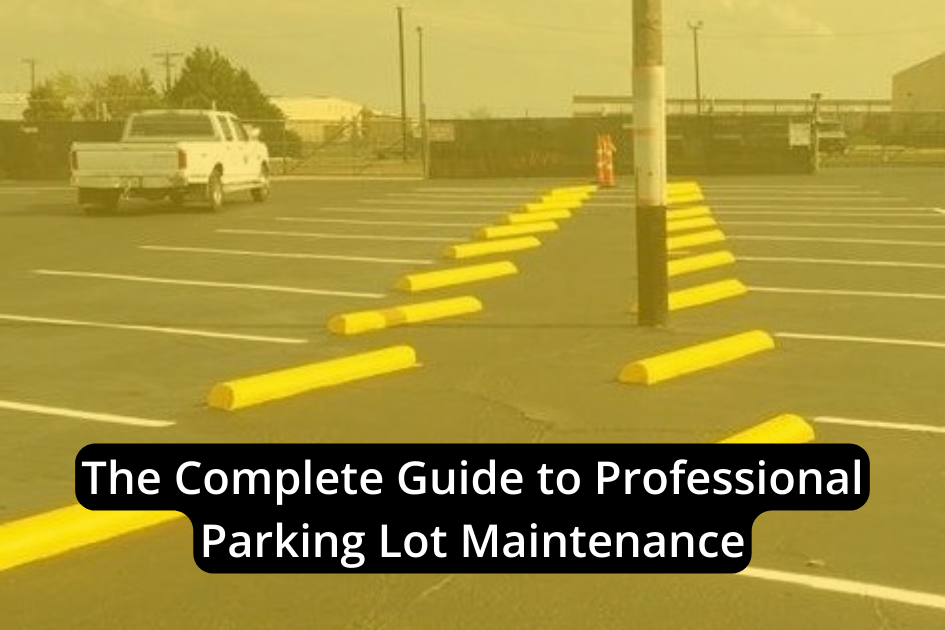
- Wheel Stops: Replace damaged or missing stops
- Signage: Ensure visibility and compliance with ADA requirements
- Traffic Markings: Maintain painted lines and symbols
Seasonal Maintenance Considerations
Central Texas weather patterns affect maintenance timing and requirements:
Summer Maintenance (June-August)
- Sealcoating: Schedule during cooler morning hours
- Repairs: Complete before extreme heat affects curing
- Irrigation: Monitor landscape watering near parking areas
- Vegetation: Control weed growth in cracks and joints
Fall Maintenance (September-November)
- Leaf Removal: Prevent drainage clogging from fallen leaves
- Sealcoating: Optimal temperatures for application
- Joint Sealing: Prepare for winter moisture intrusion
- Lighting: Adjust timers for shorter daylight hours
Winter Maintenance (December-February)
- Snow/Ice Removal: Rare but important for safety
- De-Icing: Use approved materials to prevent concrete damage
- Freeze-Thaw Monitoring: Watch for damage from temperature cycling
- Emergency Repairs: Address immediate safety concerns
Spring Maintenance (March-May)
- Damage Assessment: Inspect for winter-related deterioration
- Cleaning: Remove winter debris and salt residues
- Repairs: Address issues before summer heat accelerates damage
- Preparatory Work: Complete major maintenance before peak season
Environmental and Sustainability Considerations
Modern parking lot maintenance includes environmental stewardship:
Stormwater Management
- Permeable Pavements: Reduce runoff and groundwater recharge
- Oil/Water Separators: Prevent hydrocarbon contamination
- Rain Gardens: Natural filtration of stormwater
- Retention Systems: Control runoff velocity and volume
Eco-Friendly Products
- Low-VOC Sealants: Reduced environmental impact
- Recycled Materials: Use of recycled aggregates in repairs
- Bio-Based Cleaners: Environmentally friendly cleaning products
- Sustainable Lighting: LED fixtures for energy efficiency
Technology and Innovation in Maintenance
New technologies are transforming parking lot maintenance:
Digital Inspection Tools
- Drone Surveys: Aerial inspection of large parking areas
- Ground-Penetrating Radar: Detect subsurface damage and voids
- Thermal Imaging: Identify moisture intrusion and delamination
- Mobile Apps: Digital maintenance tracking and reporting
Predictive Maintenance
- Sensor Networks: Monitor concrete condition in real-time
- Data Analytics: Predict maintenance needs based on usage patterns
- IoT Integration: Smart lighting and safety systems
- Automated Reporting: Regular condition assessments
Professional Maintenance Services
Partnering with experienced concrete contractors ensures comprehensive care:
Maintenance Program Benefits
- Expertise: Professional assessment and repair techniques
- Guarantees: Warranties on materials and workmanship
- Documentation: Records for insurance and property value
- Cost Control: Prevent expensive emergency repairs
- Compliance: Meet safety and environmental regulations
Choosing a Maintenance Provider
- Experience: Look for contractors with parking lot specialization
- Certifications: ACI Concrete Field Testing Technician certification
- References: Check work on similar commercial properties
- Insurance: Verify proper liability and workers' compensation coverage
- Technology: Use of modern equipment and techniques
Regular maintenance of commercial parking lots pays significant dividends in safety, appearance, and cost savings. A proactive maintenance program not only protects your investment but also enhances your business's professional image and customer experience. Partner with experienced concrete contractors for professional assessments and comprehensive maintenance programs tailored to your specific needs.