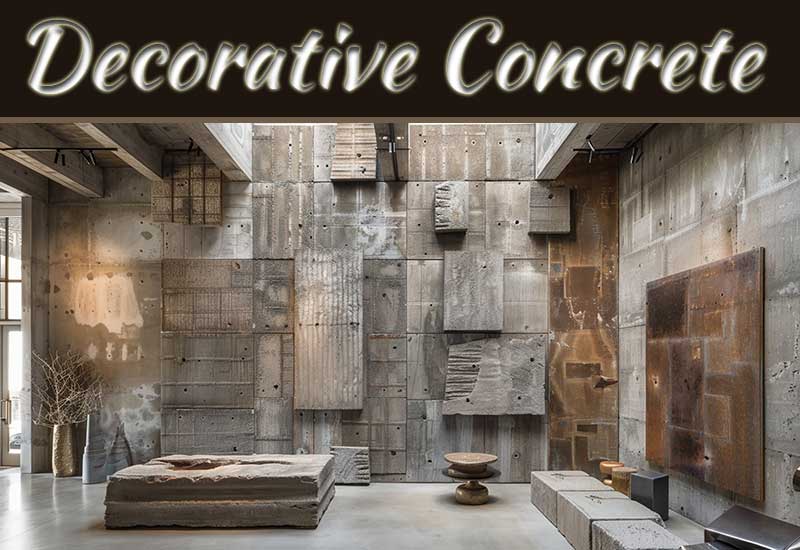
Decorative concrete has revolutionized commercial construction, offering durable, cost-effective alternatives to traditional flooring materials. From retail spaces to office buildings, decorative concrete provides both functionality and aesthetic appeal. Understanding the various decorative concrete options helps property owners make informed decisions about their commercial spaces.
Understanding Decorative Concrete
Decorative concrete refers to concrete that has been enhanced through various techniques to improve its appearance while maintaining its structural integrity. Unlike traditional concrete, decorative concrete combines functionality with visual appeal, making it ideal for commercial applications where both durability and aesthetics matter.
Stamped Concrete: Creating Custom Patterns
Stamped concrete uses molds and colored concrete to create the appearance of more expensive materials like stone, brick, or tile:
Application Process
- Base Concrete: High-quality concrete mix with proper reinforcement
- Color Application: Integral colors or surface-applied color hardeners
- Stamping: Textured mats pressed into fresh concrete
- Sealing: Protective sealants enhance color and durability
Popular Patterns for Commercial Spaces
- Stone Textures: Flagstone, slate, or cobblestone for upscale lobbies
- Brick Patterns: Traditional or herringbone layouts for exterior entrances
- Tile Designs: Subway tile or geometric patterns for modern interiors
- Custom Logos: Company branding incorporated into floor designs
Stained Concrete: Artistic Expression
Concrete staining uses chemical reactions to create unique, variegated colors that penetrate the concrete surface:
Acid Staining Process
- Surface Preparation: Concrete must be clean and properly cured
- Acid Application: Water-based acidic solutions react with concrete
- Neutralization: Chemical reaction creates permanent color changes
- Sealing: Multiple coats of sealer protect and enhance colors
Water-Based Staining
- More Color Options: Wider range of colors than acid stains
- Easier Application: Less hazardous than acid-based products
- More Predictable Results: Consistent color outcomes
- Eco-Friendly: Lower environmental impact
Polished Concrete: Modern Elegance
Polished concrete involves mechanically grinding and polishing the concrete surface to create a glossy, marble-like finish:
Polishing Process
- Diamond Grinding: Progressive grits from coarse to fine
- Densification: Chemical hardeners improve surface durability
- Polishing: High-speed polishers create desired sheen
- Sealing: Protective treatments maintain appearance
Finish Levels
- Matte (400-800 grit): Subtle sheen, good traction
- Satin (800-1500 grit): Moderate gloss, balanced appearance
- High Polish (1500-3000 grit): Mirror-like finish, maximum elegance
Commercial Applications
Different decorative concrete techniques suit various commercial environments:
Retail Spaces
- Stamped Concrete: Creates welcoming entrance areas and customer flow zones
- Stained Floors: Adds character to boutique stores and cafes
- Polished Concrete: Modern, clean look for contemporary retail
Office Buildings
- Polished Concrete: Professional appearance in lobbies and hallways
- Custom Stamping: Company logos and branded designs
- Colored Concrete: Defines different functional areas
Restaurant and Hospitality
- Stamped Stone Patterns: Warm, inviting dining areas
- Decorative Borders: Define kitchen and service areas
- Slip-Resistant Finishes: Critical for food service environments
Maintenance and Care
Proper maintenance ensures decorative concrete retains its appearance:
Daily Maintenance
- Regular Cleaning: Use pH-neutral cleaners appropriate for sealed surfaces
- Immediate Spill Response: Clean up acidic substances promptly
- Scuff Mark Prevention: Use protective mats in high-traffic areas
Periodic Maintenance
- Sealant Reapplication: Every 1-3 years depending on traffic
- Deep Cleaning: Annual or semi-annual professional cleaning
- Touch-Up Repairs: Address chips and wear promptly
Cost Considerations
Decorative concrete offers excellent value compared to traditional materials:
- Initial Cost: $4-12 per square foot depending on complexity
- Long-Term Savings: Lower maintenance costs than carpet or tile
- Durability: 20-30 year service life with proper care
- ROI: Positive return on investment for commercial properties
Decorative concrete provides commercial property owners with versatile, durable, and cost-effective flooring solutions. Working with experienced decorative concrete specialists ensures optimal results for your specific commercial application.